Inside LensCrafters

What’s the Role of Meibomian Gland Dysfunction in Dry Eye?

What’s the Role of Meibomian Gland Dysfunction in Dry Eye?

What’s the Role of Meibomian Gland Dysfunction in Dry Eye?

What’s the Role of Meibomian Gland Dysfunction in Dry Eye?

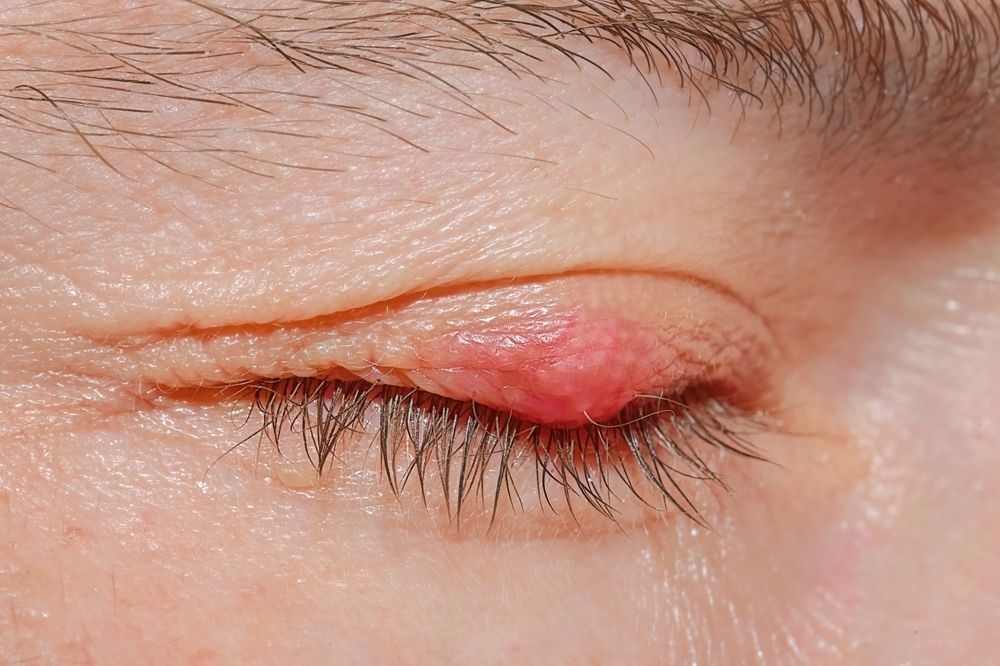
Dry, irritated, burning eyes are often attributed to screen time, allergies, or aging. While those factors can contribute, one of the most common causes of chronic dry eye is Meibomian Gland Dysfunction (MGD). Understanding how MGD affects tear production can help you find more effective, long-term treatments, including advanced therapies like IPL.
Understanding the Meibomian Glands
Your eyelids contain tiny oil-producing glands called meibomian glands. These glands secrete an oily layer that sits on top of your tears. This oil is essential for eye comfort because it:
Slows tear evaporation
Stabilizes the tear film
Protects the surface of the eye
When these glands become blocked, inflamed, or stop functioning properly, the tear film becomes unstable. Tears evaporate too quickly, leading to evaporative dry eye.
What Is Meibomian Gland Dysfunction (MGD)?
Meibomian Gland Dysfunction occurs when the oil-producing glands in the eyelids stop working correctly. The glands may become clogged with thickened oil, produce poor-quality oil, or fail to produce enough oil. Instead of flowing freely across the eye, the oil becomes stagnant and obstructed.
This disruption weakens the tear film and can trigger inflammation along the eyelid margins. Over time, untreated MGD can cause:
Chronic dryness
Burning or stinging sensations
Fluctuating or blurry vision
Red, irritated eyelids
Increased sensitivity to light
Contact lens discomfort
The Connection Between Inflammation and MGD
Inflammation is both a cause and a result of Meibomian Gland Dysfunction. Factors that contribute to inflammation include:
Rosacea
Blepharitis
Hormonal changes
Environmental stress
Prolonged digital screen use
Inflammation thickens gland secretions, worsening blockages. As glands struggle to function, the ocular surface becomes increasingly irritated, creating a self-perpetuating cycle.
How IPL Therapy Helps Treat MGD
One of the most advanced treatments for Meibomian Gland Dysfunction is Intense Pulsed Light (IPL) therapy. Originally used in dermatology, IPL has proven highly effective for treating MGD-related dry eye.
IPL delivers controlled pulses of light to the skin around the eyelids. This light energy:
Reduces inflammation
Targets abnormal blood vessels contributing to redness
Improves gland function
Liquefies thickened oils
Restores healthy oil flow
By improving the quality and consistency of meibomian gland secretions, IPL directly addresses the root cause of evaporative dry eye.
Find Lasting Relief from Dry Eye at Patel Vision Group
Meibomian Gland Dysfunction is central to many cases of evaporative dry eye. When the oil layer of your tears is compromised, artificial lubrication alone often isn’t enough. By treating MGD at its source, it’s possible to restore healthier tear function, reduce inflammation, and achieve long-term relief.
If dry, irritated eyes are affecting your daily life, schedule a dry eye evaluation at Patel Vision Group. Our team can determine whether Meibomian Gland Dysfunction is contributing to your symptoms and whether IPL therapy is right for you. Visit our offices in Visalia, Redding, Roseville, Monterey, Salinas, Sacramento, Fresno, or Fair Oaks, California. Call (559) 739-8550, (530) 221-6557, (916) 788-2960, (831) 375-7755, (831) 443-5250, (916) 629-8033, (559) 538-1567, (916) 966-4700, or (559) 500-7685 to book your appointment.

All Eye
Patel Vision Group

Keep
In Touch

