Inside LensCrafters

What Measurements Are Taken During a Contact Lens Fitting?

What Measurements Are Taken During a Contact Lens Fitting?

What Measurements Are Taken During a Contact Lens Fitting?

What Measurements Are Taken During a Contact Lens Fitting?

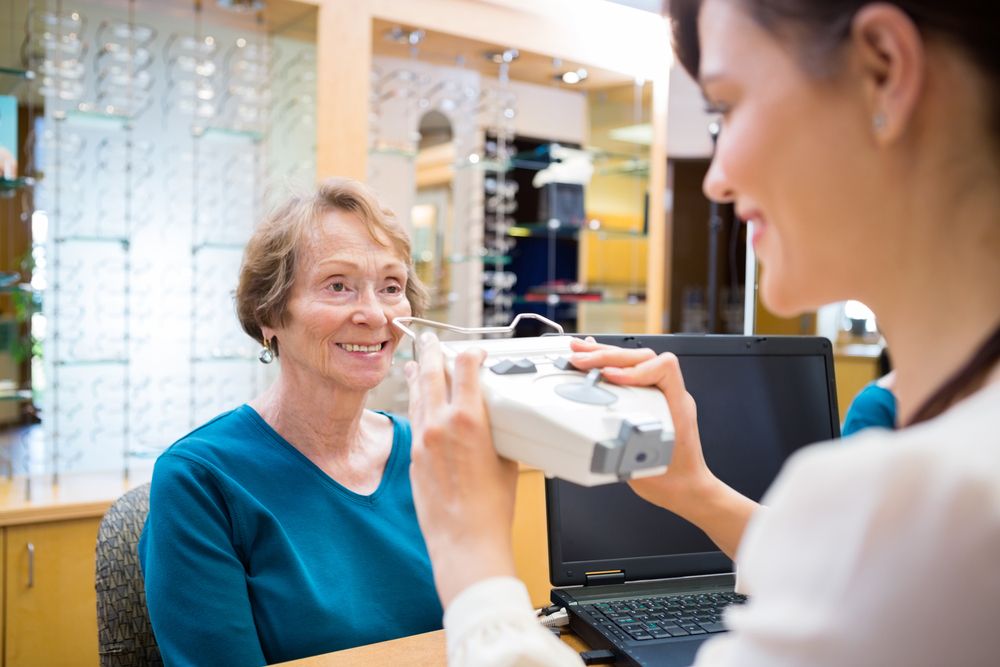
A successful contact lens experience starts with a thorough fitting. Unlike glasses, contact lenses sit directly on the eye, making accurate measurements critical. During a contact lens fitting, your eye doctor evaluates several factors to select lenses that provide clear vision while maintaining comfort and eye safety.
Understanding Your Prescription (Refractive Error)
The fitting process begins with measuring your refractive error - how your eyes focus light. This determines whether you are nearsighted, farsighted, or have astigmatism. While similar to a glasses exam, contact lens prescriptions often differ slightly because lenses sit directly on the eye rather than a short distance away like glasses. This step ensures your contacts provide sharp, comfortable vision tailored to your needs.
Corneal Curvature (Keratometry)
One of the most important measurements in a contact lens fitting is the curvature of your cornea, the clear front surface of your eye. This measurement helps determine the base curve of your contact lenses. A lens that is too steep or too flat can cause discomfort, blurry vision, or even damage to the eye. Measuring corneal curvature ensures your lenses align properly with the natural shape of your eye.
Corneal Topography (When Needed)
In some cases, your eye doctor may perform corneal topography, which creates a detailed map of the cornea’s surface. This is especially helpful for patients with astigmatism, irregular corneas, or certain eye conditions. Corneal topography allows for more precise lens selection, particularly for specialty contact lenses.
Diameter of the Eye and Contact Lens
The diameter measurement determines how wide the contact lens should be so it covers your cornea properly and remains stable throughout the day. A correct diameter helps prevent lenses from moving excessively or feeling uncomfortable when you blink.
Tear Film and Eye Surface Evaluation
Healthy eyes need a stable tear film to support comfortable contact lens wear. During your fitting, your eye doctor will assess tear quality and quantity to check for signs of dry eye. If dryness is present, certain contact lens materials or replacement schedules may be recommended to improve comfort and protect your eye health.
Trial Lens Assessment
Once initial measurements are taken, trial contact lenses are placed on your eyes. Your doctor will evaluate how the lenses fit, how they move when you blink, and how well you see with them. This step ensures the lenses sit correctly, allow enough oxygen to reach your eyes, and provide clear, stable vision.
Lifestyle and Wearing Needs
While not a physical measurement, your daily routine plays a key role in lens selection. Your eye doctor will consider factors such as screen time, sports, work environment, and how often you plan to wear contacts. These details help determine the best lens type, material, and replacement schedule for your lifestyle.
Follow-Up Evaluation
A contact lens fitting often includes a follow-up visit to confirm the lenses are performing well over time. Your eye doctor will recheck comfort, vision, and eye health to ensure your lenses are the right match.
Get Expert Contact Lens Care at Patel Vision Group
A contact lens fitting is a comprehensive process designed to protect your eye health while giving you clear, comfortable vision. From measuring corneal shape and tear quality to assessing how lenses fit and move on your eyes, each step plays a critical role in finding the right contact lenses for you. At Patel Vision Group, our goal is to ensure your contact lenses feel great, function properly, and support your long-term eye health.
If you’re interested in contact lenses or need an updated fitting, schedule a contact lens exam with Patel Vision Group today. Visit our office in Visalia, Redding, Roseville, Monterey, Salinas, Sacramento, Fresno, or Fair Oaks, California. Call (559) 739-8550, (530) 221-6557, (916) 788-2960, (831) 375-7755, (831) 443-5250, (916) 629-8033, (559) 538-1567, (916) 966-4700, or (559) 500-7685 to book your appointment.

All Eye
Patel Vision Group

Keep
In Touch

