Inside LensCrafters

Liquid-Cushion Comfort: How Scleral Lenses Shield Damaged Corneas

Liquid-Cushion Comfort: How Scleral Lenses Shield Damaged Corneas

Liquid-Cushion Comfort: How Scleral Lenses Shield Damaged Corneas

Liquid-Cushion Comfort: How Scleral Lenses Shield Damaged Corneas

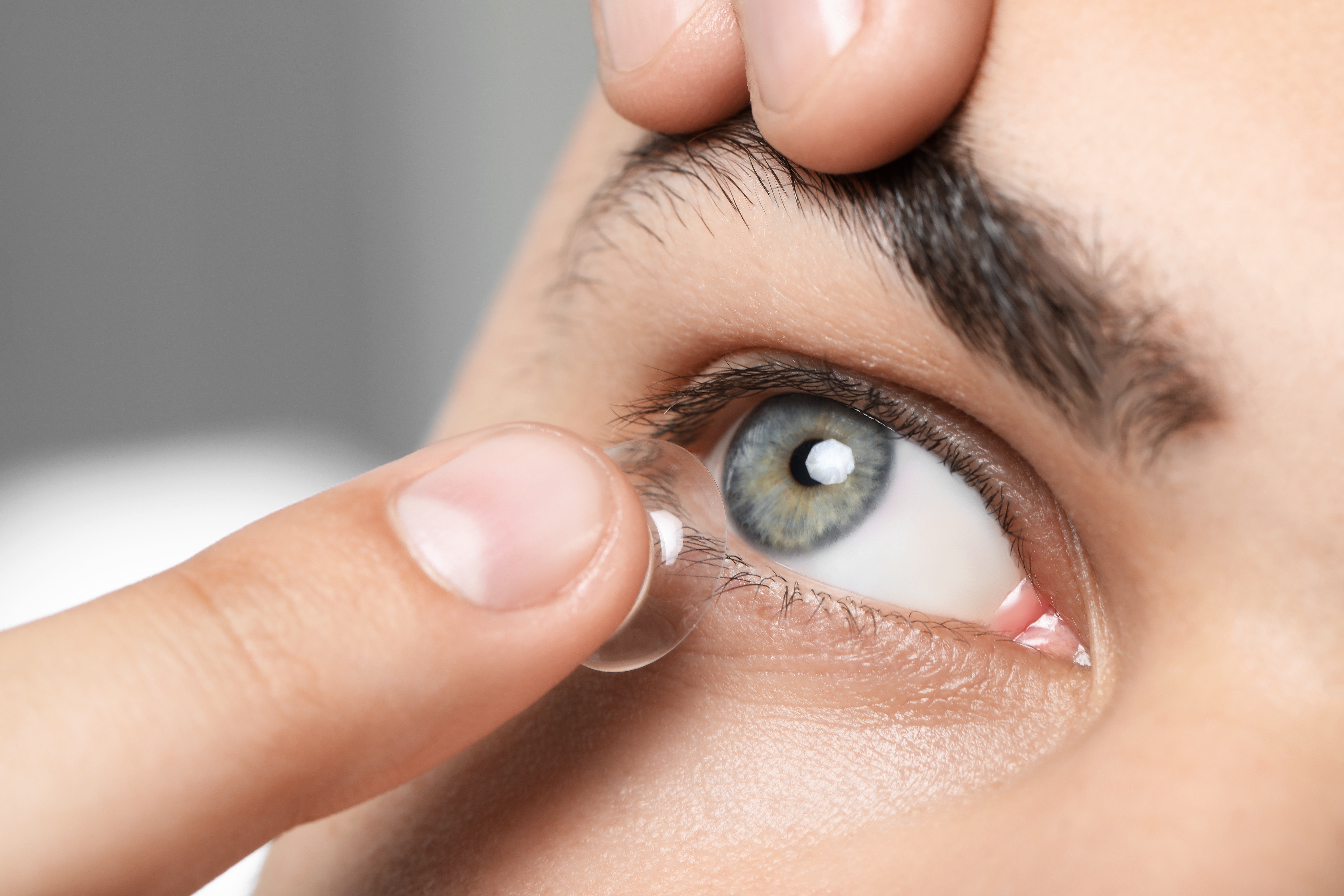
When the cornea is damaged, dry, scarred, or irregular, standard glasses and soft contact lenses may not provide the clarity or comfort you need. Light may scatter unevenly, vision may fluctuate, and the eye surface may feel irritated throughout the day. Scleral lenses offer a more advanced option by creating a smooth optical surface and a liquid cushion over the cornea.
At Patel Vision Group, patients throughout California can ask about specialty contact lenses, including scleral lenses, as part of a personalized eye care plan.
What Makes The Cornea So Important?
The cornea is the clear front surface of the eye. It helps focus light so you can see clearly. When the cornea is smooth and healthy, light enters the eye more evenly. When the cornea is damaged or irregular, vision may become blurry, distorted, ghosted, or unstable.
Corneal issues can be caused by keratoconus, eye injuries, severe dry eye, scarring, corneal surgery, infections, or other eye surface conditions. Because each cornea is unique, treatment often needs to be customized.
What Are Scleral Lenses?
Scleral lenses are large, gas permeable specialty contact lenses. Instead of resting directly on the cornea, they vault over it and rest on the white part of the eye, called the sclera. This design creates space between the lens and the cornea.
Before insertion, that space is filled with preservative-free saline. Once the lens is on the eye, the fluid stays beneath the lens, creating a liquid reservoir that can help protect and hydrate the corneal surface.
How The Liquid Cushion Helps
The liquid cushion is one of the main reasons scleral lenses can be so helpful for damaged corneas. It reduces direct friction from blinking, keeps the cornea bathed in moisture, and creates a smoother surface for light to pass through.
For patients with corneal irregularity, the lens can help improve visual clarity by masking uneven areas on the cornea. For patients with severe dry eye or corneal sensitivity, the fluid reservoir may help reduce discomfort during lens wear.
Who May Benefit From Scleral Lenses?
Scleral lenses are not needed for every patient, but they may be recommended when standard options are not enough. They may help patients with:
- Keratoconus or corneal ectasia
- Corneal scarring or irregularity
- Severe dry eye disease
- Post-surgical corneal changes
- Corneal injury or trauma
- Poor comfort with standard contact lenses
- Blurry or distorted vision with glasses
- Eye surface conditions that need protection
A comprehensive specialty contact lens evaluation is needed to determine whether scleral lenses are appropriate.
Why Fit Matters So Much
Scleral lenses must be carefully designed and fitted. The lens should vault over the cornea without touching it while resting comfortably on the sclera. If the fit is too tight, too loose, or not properly aligned, comfort and vision may suffer.
At Patel Vision Group, specialty contact lens care includes careful evaluation of eye shape, prescription, tear film, corneal health, and visual needs. The goal is to create a lens that supports both clarity and eye health.
What To Expect During The Fitting Process
A scleral lens fitting may take more time than a standard contact lens exam. Your optometrist will examine the eyes, take measurements, test lens designs, and evaluate how the lens settles on the eye. You will also learn how to insert, remove, clean, and store the lenses safely.
Follow-up visits are important. Your doctor needs to confirm that the lenses are protecting the cornea, providing stable vision, and remaining comfortable throughout the day.
Are Scleral Lenses A Cure?
Scleral lenses do not cure corneal damage or dry eye disease. Instead, they can help manage symptoms and improve visual function for many patients. Some people may still need dry eye treatment, medication, corneal monitoring, or additional care depending on the underlying condition.
The most important step is identifying the cause of discomfort or poor vision so your doctor can recommend the right plan.
Protecting Sensitive Eyes With Advanced Lens Design
For patients with damaged corneas, everyday vision can feel unpredictable and uncomfortable. Scleral lenses may provide a more stable, moisture-supporting option when standard lenses or glasses fall short.
To schedule a specialty contact lens evaluation or ask about scleral lenses, contact Patel Vision Group at the Fresno - Shawstone location at 4983 N Blackstone Ave, Fresno, CA 93726, or call (559) 229-7958.

All Eye
Patel Vision Group

Keep
In Touch

