Inside LensCrafters

Common Fall Triggers That Can Cause Severe Dry Eye

Common Fall Triggers That Can Cause Severe Dry Eye

Common Fall Triggers That Can Cause Severe Dry Eye

Common Fall Triggers That Can Cause Severe Dry Eye

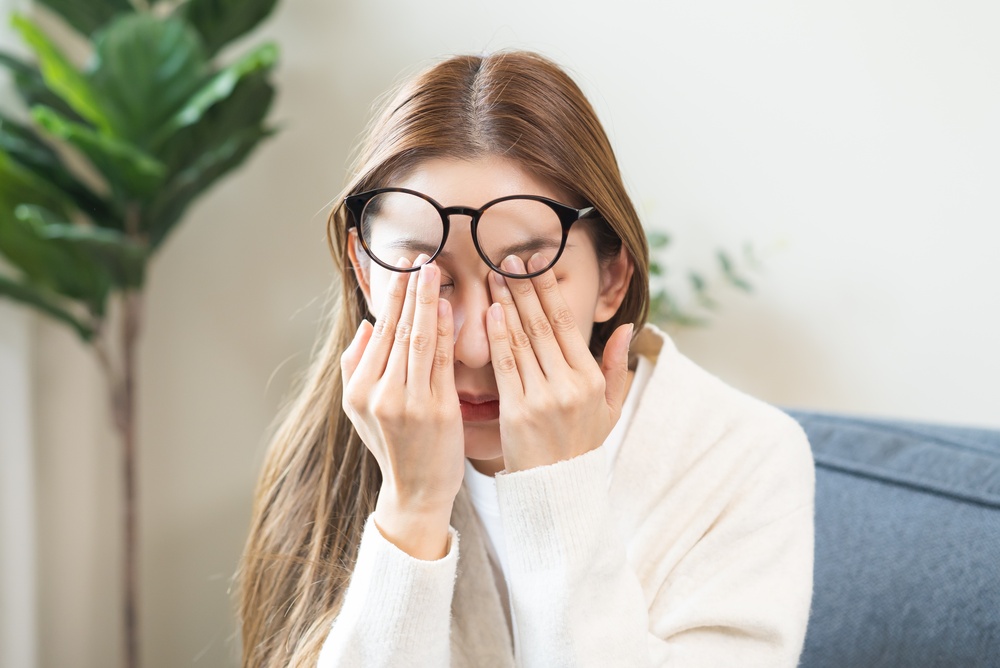
Fall brings cooler temperatures and changing weather, but it can also bring an increase in dry eye symptoms. Seasonal changes in humidity, wind, allergens, and indoor environments can disrupt the tear film and leave your eyes feeling irritated. For people who already have chronic or severe dry eye, these fall triggers may make symptoms more noticeable. Understanding what is affecting your eyes can help you know when it is time to seek professional dry eye treatment.
Cooler, Drier Air
As temperatures drop, the air often becomes less humid. Lower humidity can cause tears to evaporate more quickly from the surface of the eyes. If your tear film is already unstable, this can lead to increased burning, grittiness, redness, or fluctuating vision.
Spending more time outdoors on cool, windy days can make evaporation even worse. Sunglasses or protective eyewear may provide some relief by reducing direct exposure to wind.
Indoor Heating
Turning on the heat may make your home or workplace more comfortable, but heated indoor air can be very drying. Furnaces, space heaters, and vents reduce moisture in the surrounding environment and can increase tear evaporation. Avoid sitting directly in front of heating vents when possible. A humidifier may also help add moisture back into indoor air.
Fall Allergies
Seasonal allergens do not disappear when summer ends. Ragweed, mold, dust, and fallen leaves can contribute to itchy, watery, irritated eyes during the fall.
Allergies and dry eye can also occur at the same time, making it difficult to tell what is causing your symptoms. Some allergy medications, including certain antihistamines, may also contribute to dryness by reducing tear production.
Everyday Habits That Can Worsen Fall Dry Eye
Seasonal changes are not the only issue. Several daily habits can intensify dry eye symptoms during the fall, including:
- Spending long periods looking at computers, phones, or tablets
- Wearing contact lenses for extended periods
- Sitting near heating vents or fans
- Spending more time in dry indoor environments
- Rubbing irritated eyes because of seasonal allergies
- Not taking regular breaks during prolonged screen use
When we focus on a screen, we tend to blink less frequently, which can allow the tear film to evaporate faster.
When Dry Eye Symptoms Become More Severe
Occasional dryness may improve with simple changes, but persistent symptoms should not be ignored. Severe dry eye can cause ongoing burning, redness, excessive watering, light sensitivity, blurry or fluctuating vision, and difficulty wearing contact lenses.
Dry eye can have several underlying causes, including inflammation and meibomian gland dysfunction. A professional evaluation allows us to assess your tear film, eyelids, and ocular surface to determine what may be contributing to your symptoms. Depending on the cause and severity of your dry eye, we can recommend a personalized treatment approach.
If fall weather is making your dry eye symptoms harder to manage, schedule a dry eye evaluation with Patel Vision Group to learn more about treatment options for lasting eye comfort. Visit our office in Visalia, Redding, Roseville, Monterey, Salinas, Sacramento, Fresno, or Fair Oaks, California. Call (559) 739-8550, (530) 221-6557, (916) 788-2960, (831) 375-7755, (831) 443-5250, (916) 629-8033, (559) 538-1567, (916) 966-4700, or (559) 500-7685 to book your appointment today.

All Eye
Patel Vision Group

Keep
In Touch

