Inside LensCrafters

Caring for Scleral Lenses: Hygiene, Handling, and Longevity

Caring for Scleral Lenses: Hygiene, Handling, and Longevity

Caring for Scleral Lenses: Hygiene, Handling, and Longevity

Caring for Scleral Lenses: Hygiene, Handling, and Longevity

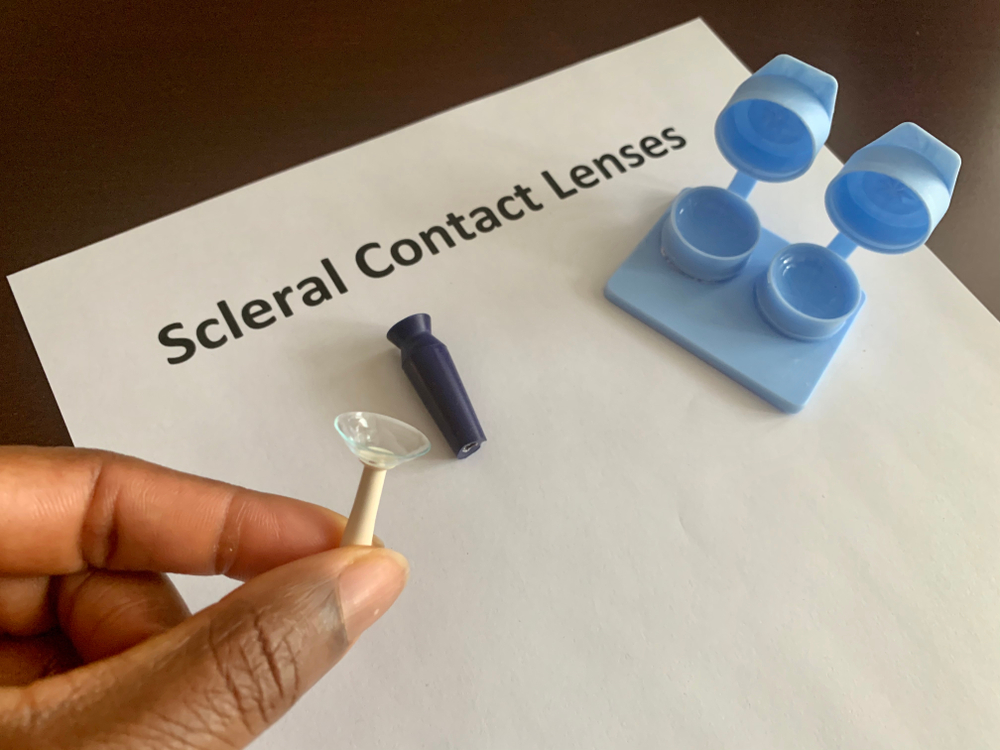
Scleral lenses vault over the cornea and rest on the white part of the eye, creating a fluid reservoir that can improve comfort and vision for many patients. Because they are larger and hold saline against the eye, good hygiene and careful handling are essential for keeping lenses comfortable, protecting eye health, and helping your lenses last as long as they should.
Start With Clean Hands and a Clean Setup
Wash your hands with soap and water before touching your lenses, then dry with a lint-free towel. Avoid oily or scented soaps, lotions, or hand sanitizers right before insertion – residue can transfer to the lens and cause cloudy vision or irritation. Use a clean, well-lit surface and keep your supplies together so you are not reaching around with lenses on your fingertips.
Use the Right Solutions Every Time
Scleral lenses require specific products for cleaning and filling. Always follow your optometrist’s instructions and the solution labels. In general, clean and disinfect lenses after each wear, and fill lenses only with preservative-free sterile saline before insertion. Never use tap water on lenses, cases, or plungers, and do not “top off” old solution in your case.
Daily Care Routine That Protects Comfort
A consistent routine reduces deposits and helps prevent fogging during the day. Plan for a few extra minutes so you do not feel rushed.
- Rub and rinse lenses as directed after removal
- Disinfect lenses for the full recommended time
- Rinse your case, then air-dry it face down on a clean tissue
- Replace your case and plungers on a regular schedule
- If you reapply lenses, use fresh saline and follow the same hygiene steps
Handling Tips for Insertion and Removal
Most issues with scleral lenses come down to bubbles, contamination, or minor surface debris. When inserting, keep your face parallel to the floor, overfill the lens with preservative-free saline, and look straight down into the lens so bubbles are less likely. If your vision looks hazy or you feel a sharp scratchy sensation right away, remove the lens, inspect it, clean it, and refill with fresh saline.
For removal, use the recommended method and tool placement so you do not pinch the lens or irritate the eye. If removal feels difficult, do not force it – lubricating drops and a brief break can help, and your eye doctor can recheck the fit and your technique.
Longevity, Deposits, and Replacement Timing
Even with great care, scleral lenses can accumulate deposits over time. If your lenses feel less comfortable, look cloudy, or need frequent mid-day cleaning, it may be time to discuss deeper cleaning options or replacement. Sticking to the replacement schedule your optometrist recommends helps maintain optics, comfort, and the best fit.
When to Call Your Eye Doctor
Stop wearing your lenses and call your optometrist if you notice increasing redness, light sensitivity, significant discharge, worsening pain, or a sudden change in vision. These symptoms can signal inflammation or infection and should be evaluated promptly.
For scleral lens exams, training, and long-term care, contact Patel Vision Group. Visit our offices in Visalia, Redding, Roseville, Monterey, Salinas, Sacramento, Fresno, or Fair Oaks, California. Call (559) 739-8550, (530) 221-6557, (916) 788-2960, (831) 375-7755, (831) 443-5250, (916) 629-8033, (559) 538-1567, (916) 966-4700, or (559) 500-7685 to book your appointment.

All Eye
Patel Vision Group

Keep
In Touch

